Quick answer: Xactimate and Symbility are accurate estimating tools when used correctly, but roof estimates often come up short because of how they’re set up and applied. The most commonly missed items are pipe boots and vent components, drip edge, valley metal, a realistic waste factor, steep-pitch tear-off labor, decking over spaced boards, and property protection. Each can be raised with photos, measurements, code references and manufacturer requirements.
If you’ve filed a property claim, your insurer probably used Xactimate or Symbility to calculate what it owes. These programs are industry standard, and on paper they’re fair. The problem is how they’re often used: by undertrained reviewers following internal guidelines that override real construction practice.
Are Xactimate and Symbility the Problem?
No. They were built for detailed, line-item estimating, and in experienced hands they produce accurate pricing. A hammer works great, unless someone uses it as a screwdriver. The issue is selective line items, adjusted settings and “that’s our guideline” answers nobody will explain.
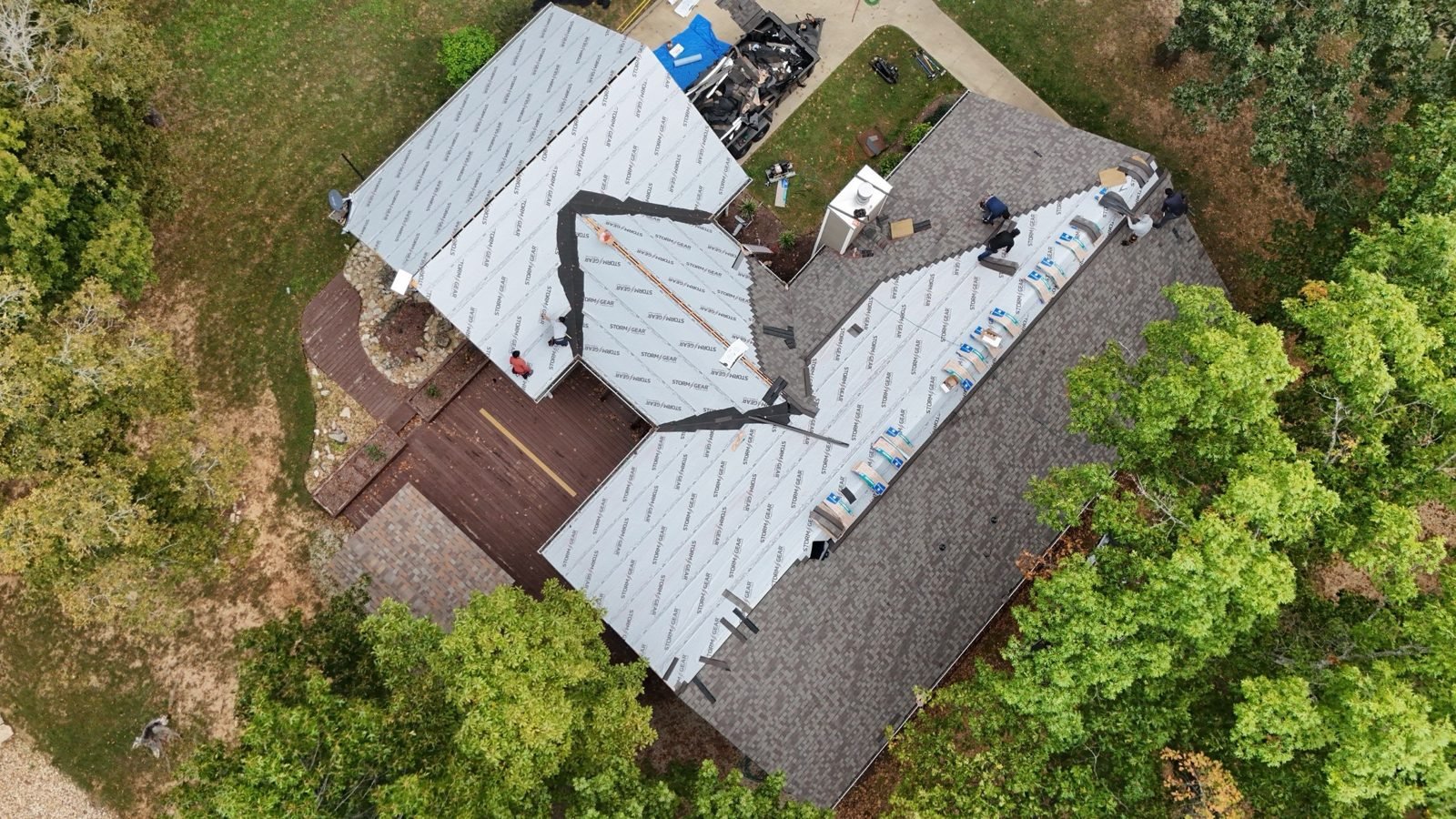
What Items Are Most Often Left Off a Roof Estimate?
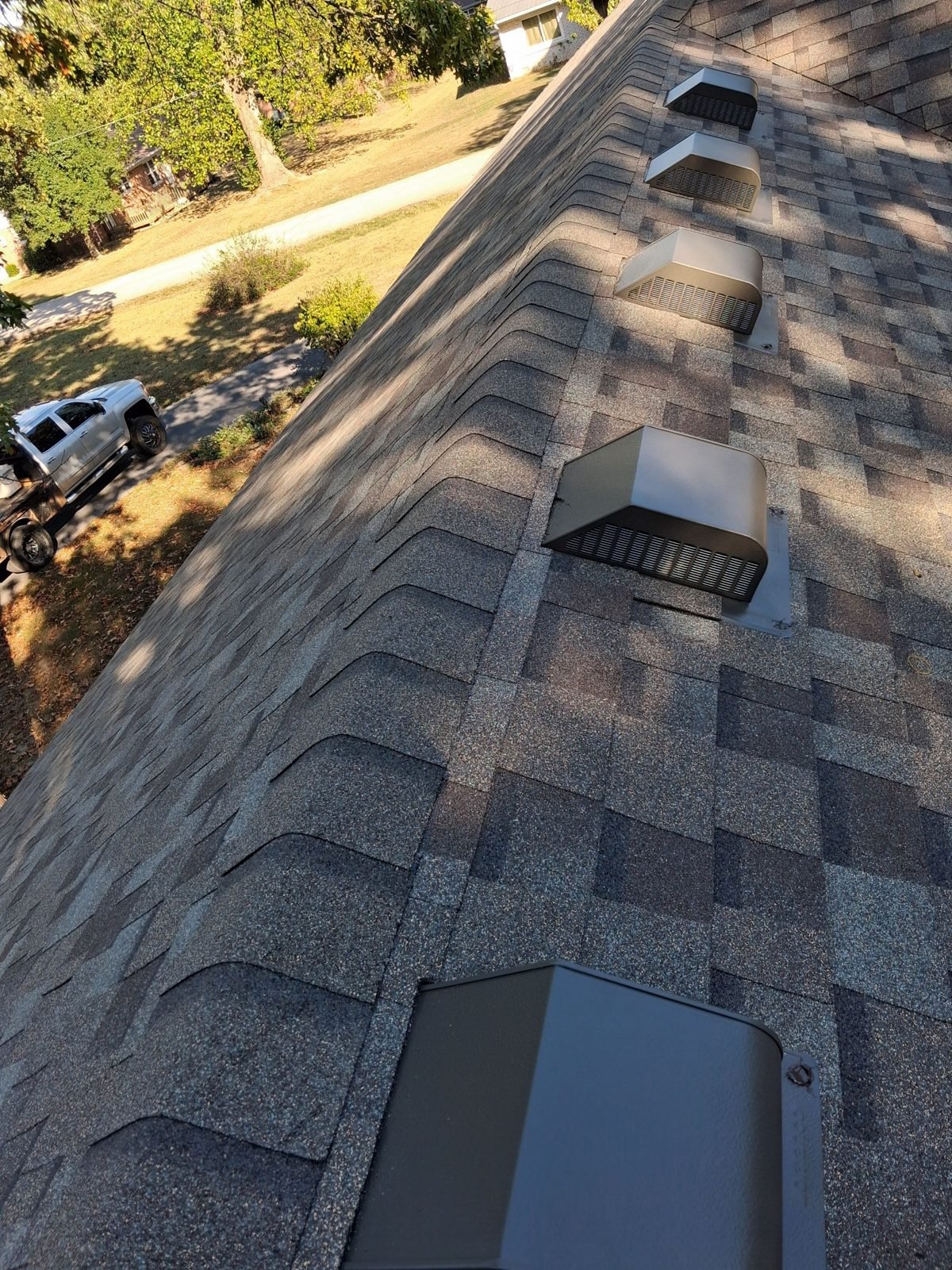
Pipe Boots, Vents and Accessories
The common excuse is “no visible storm damage.” But many of these components have to come off to install a new roof, and reusing old, worn parts on a brand-new roof is a shortcut that invites leaks.
Waste Factor
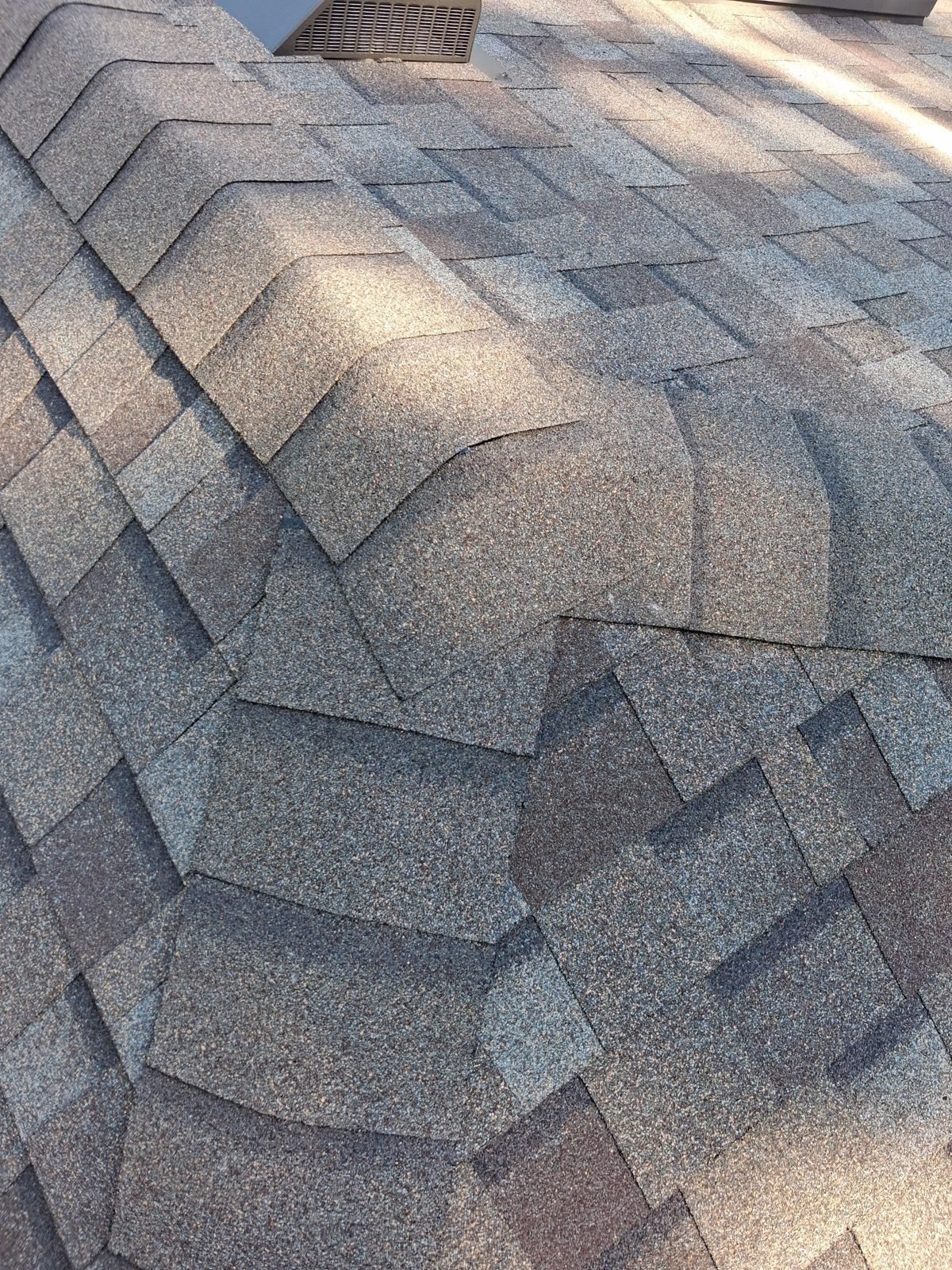
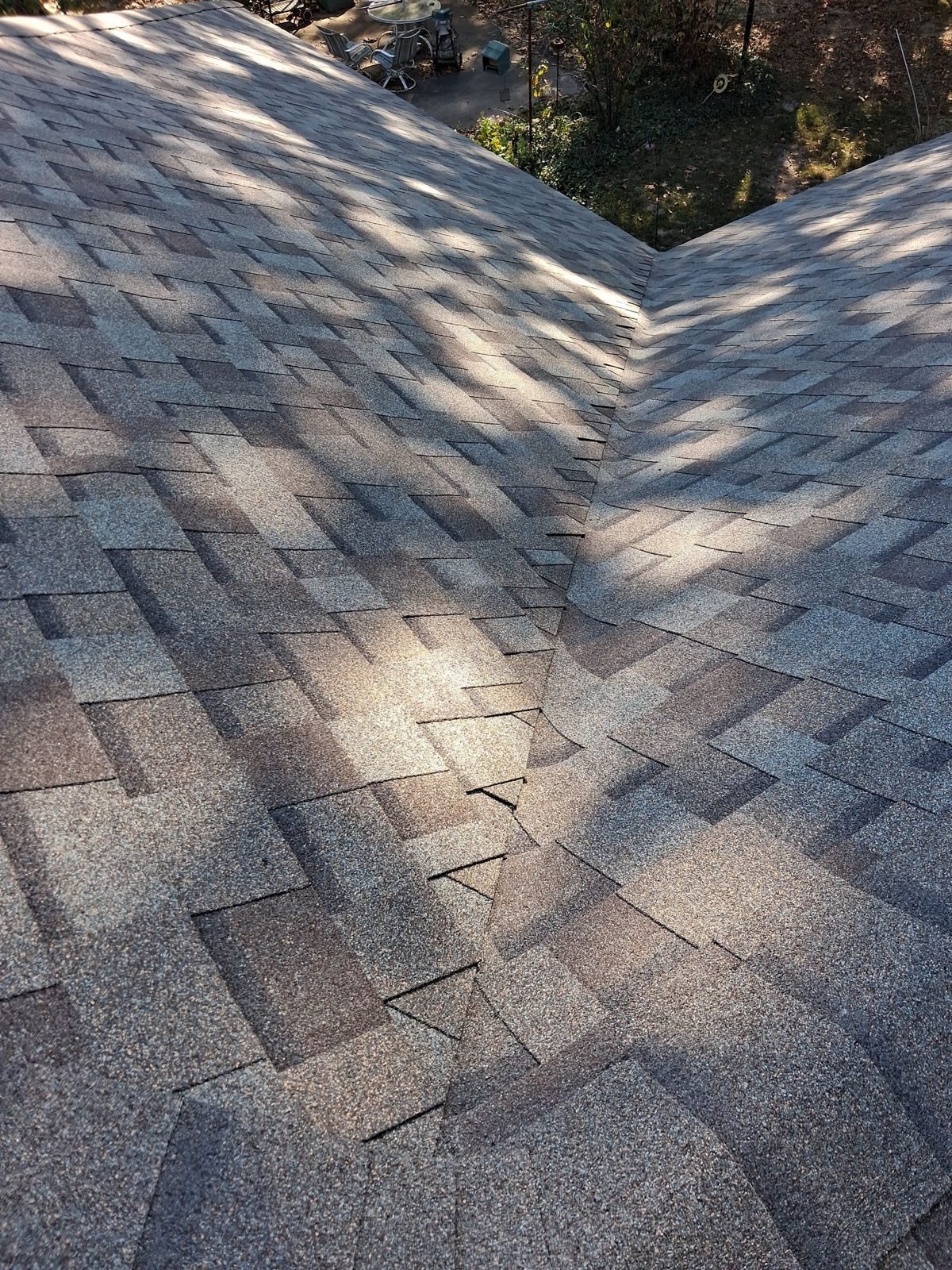
Every valley, wall, chimney and cut line creates unusable shingle waste. Long-standing industry practice has been roughly 10% on simple gable roofs and around 15% on hip roofs. When waste is cut to 3% to 5%, the estimate assumes almost no offcuts, which isn’t realistic.
Steep-Pitch Tear-Off Labor
Steep roofs are slower and more dangerous to remove and install, requiring harnesses and extra care. Paying a steep charge for installation but not for removal doesn’t make sense. The roof didn’t get flatter during tear-off.
Decking Over Spaced Boards
Many older and rural homes have spaced plank decking. Shingle manufacturers and code generally require solid decking under asphalt shingles. If your policy includes ordinance or law coverage, this can be a significant item.
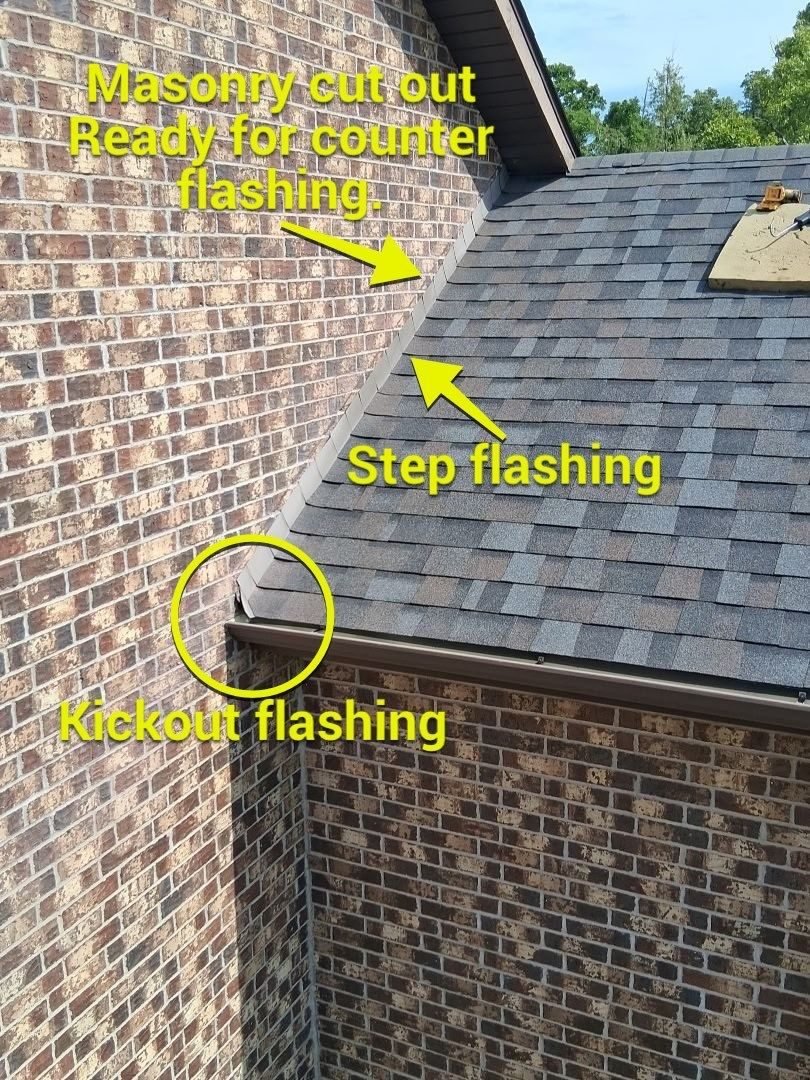
Drip Edge
Drip edge is thin metal that often bends during tear-off and is code-required in many areas. “No visible storm damage” isn’t a reason to reinstall mangled metal.
Property Protection
Tarps, plywood barriers and extra labor to protect landscaping, stonework and delicate areas are part of doing the job right, but often aren’t on the first estimate.
How Do You Get Missing Items Reviewed?
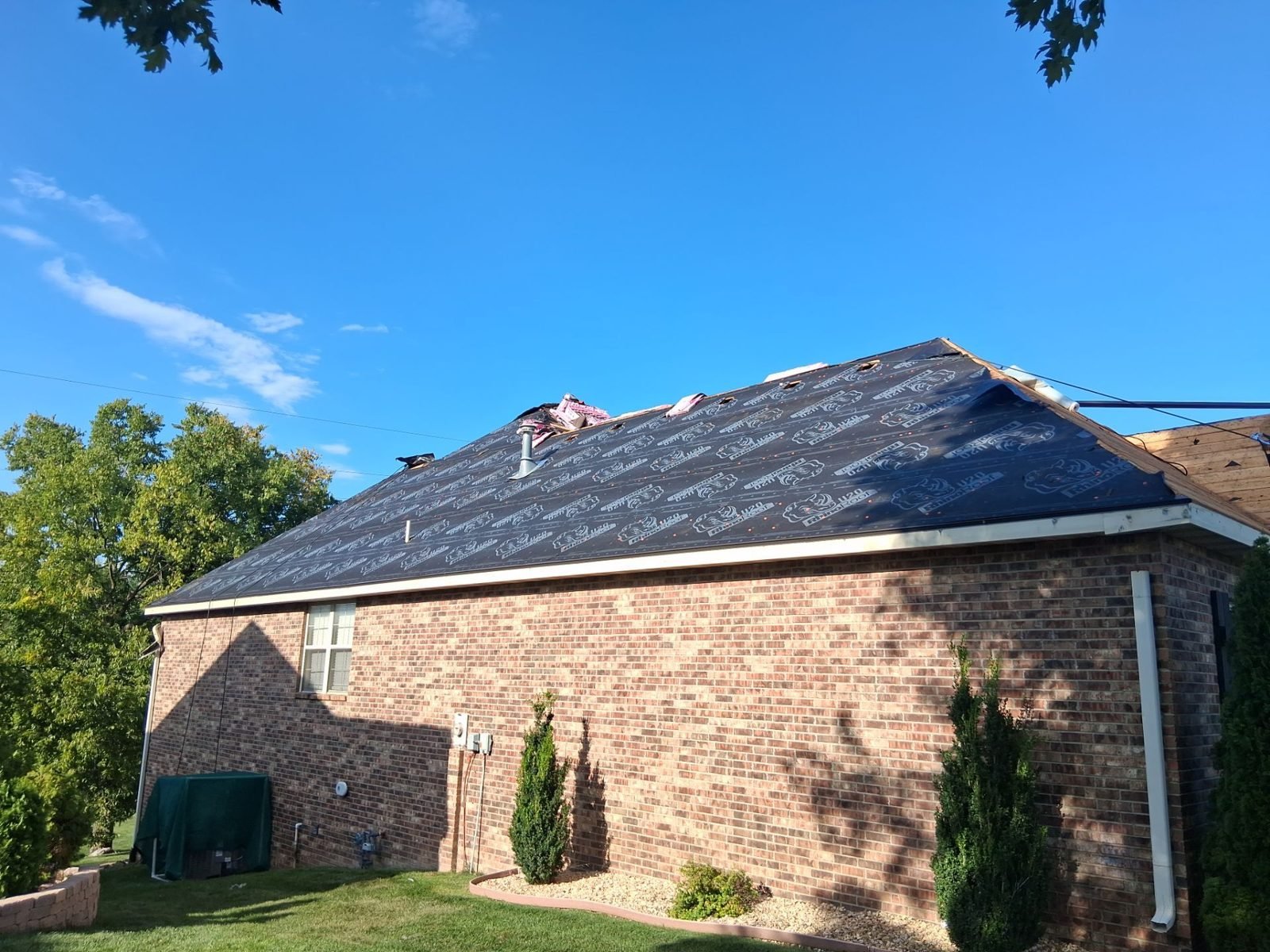
Ask for the reason each item was omitted, in writing. Then have your contractor submit a documented roofing supplement with photos, measurements, code citations and manufacturer requirements.
Final Thought: “Industry Standard Software” Doesn’t Mean Fair
When someone points to the software as proof an estimate is right, ask what was left out and why. A tool is only as good as the person using it.
Frequently Asked Questions
What is Xactimate?
Xactimate is estimating software widely used by insurance adjusters and contractors to price property repairs line by line.
What waste factor should a roof estimate use?
It depends on roof complexity. Simple gable roofs often run around 10% and hip or cut-up roofs around 15%, based on measured roof geometry.
Why wasn’t drip edge included in my insurance estimate?
Insurers sometimes omit it if they don’t see storm damage. If it’s required by local code or damaged during tear-off, ask your roofer to document it.
Who can submit a supplement to my insurer?
Your contractor typically submits documentation of missed repair items. Bold Roofing provides documentation and estimates but does not negotiate claims.
Want a Second Set of Eyes on Your Estimate?
Call or text Bold Roofing. We’ll compare your roof’s actual needs with what’s on your estimate.
Texting? Msg & data rates may apply. Reply STOP to opt out.


