Quick answer: Ordinance or law coverage (also called building code upgrade coverage) pays the extra cost of bringing damaged parts of your home up to current building code during a covered repair. For roofs, that can include drip edge, ice and water shield, ventilation, or solid decking over old spaced boards. Insurers only owe for code-required items if your policy includes this coverage, so confirm it with your agent in writing.
There’s a quiet but important piece of many homeowners policies called ordinance or law coverage. It isn’t flashy, and your agent may never have explained it. But when your roof is damaged and current code requires more than what you had, it can be one of the most valuable coverages you own.
What Does Ordinance or Law Coverage Pay For on a Roof?
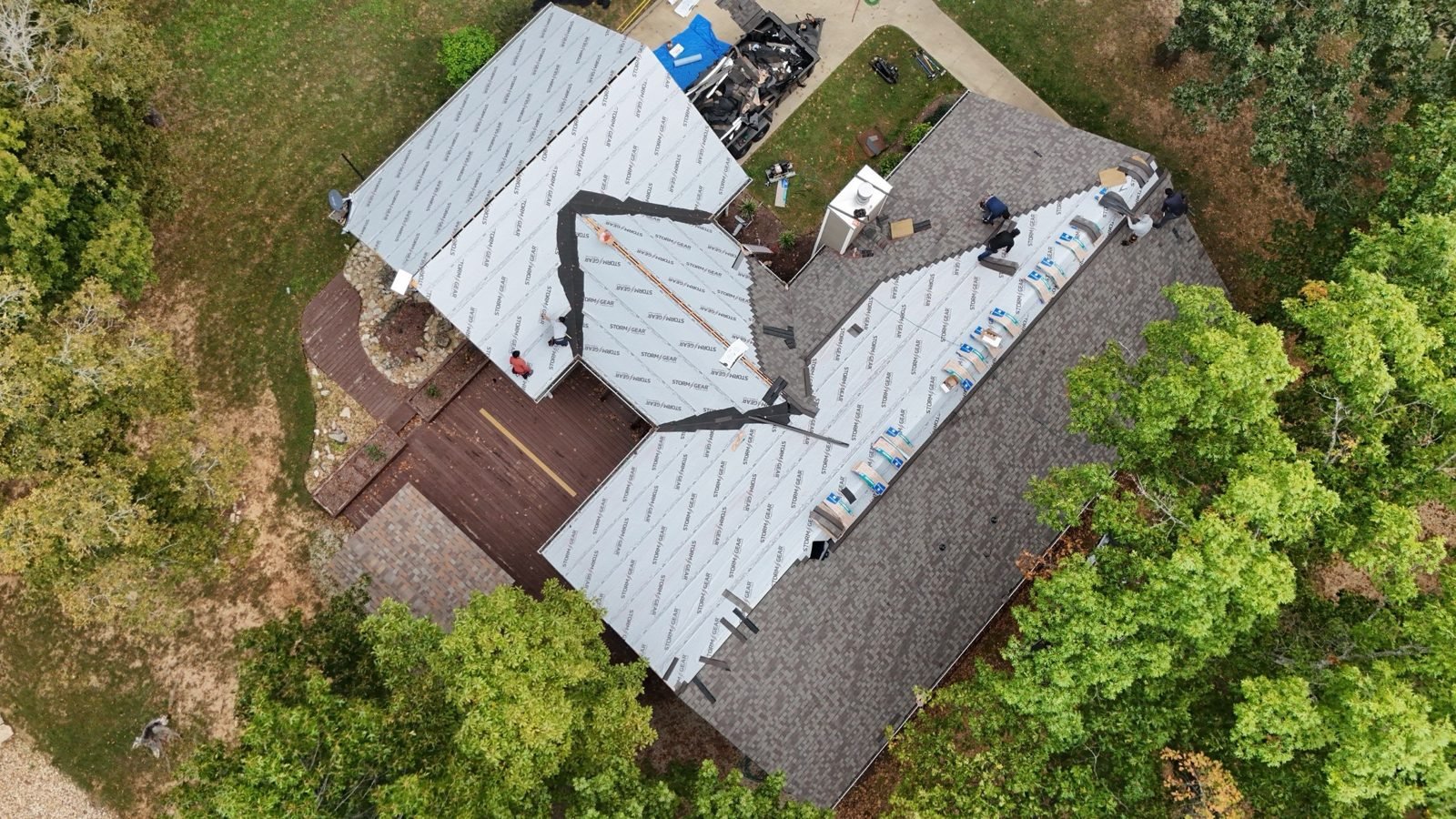
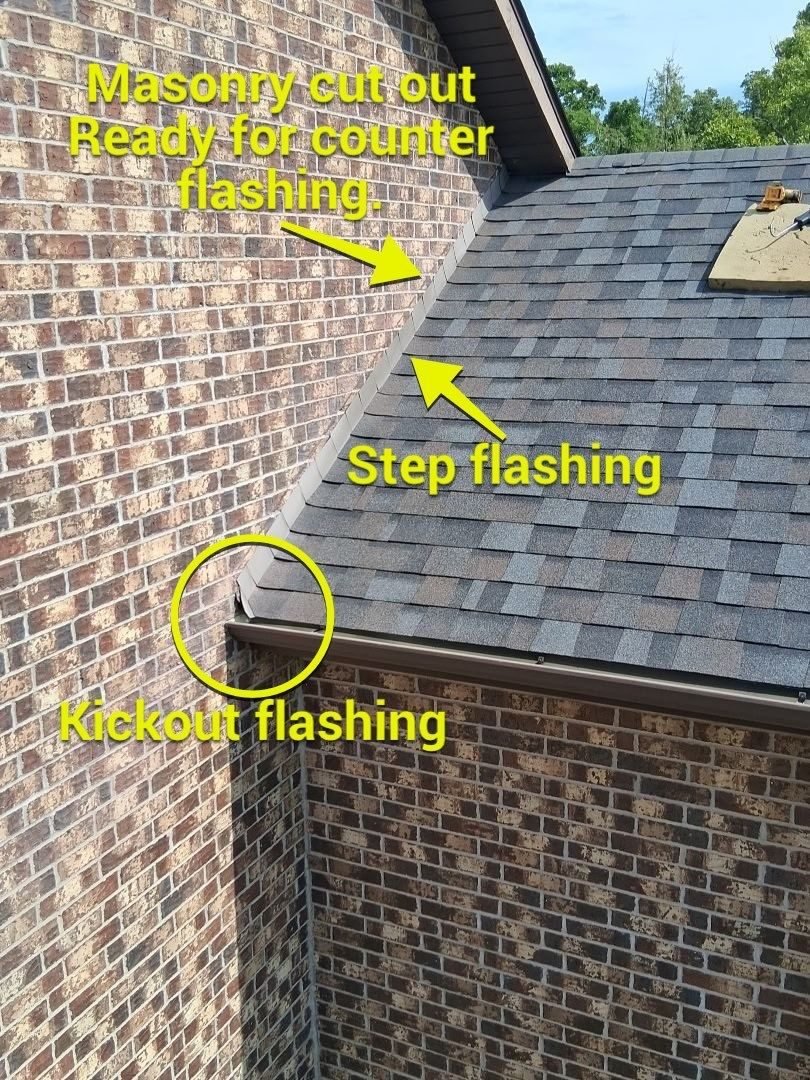
If repairs or replacement must comply with updated building codes, this coverage is meant to pay for those added costs, up to your policy’s limit. Common roofing examples include:
- Solid decking over spaced boards.
- Ice and water shield in valleys.
- Drip edge where none existed.
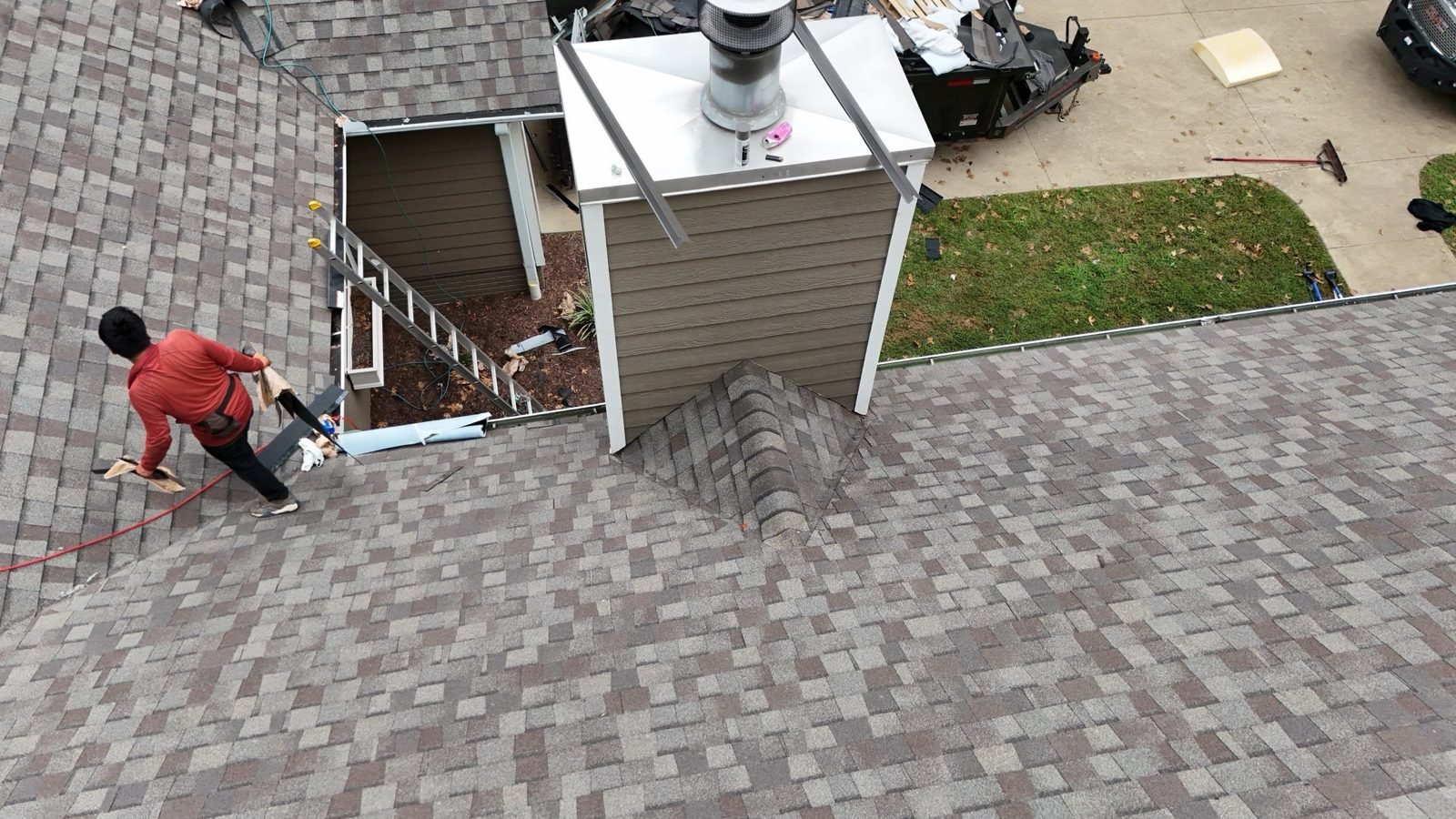
- Additional or corrected ventilation.
- Proper flashing details.
How Do Insurers Push Back on Code Upgrade Claims?
“It’s Not Enforced Here, So We Don’t Owe It.”
This is the most common pushback. Your contractor provides the code section. The response is, “That isn’t enforced in your jurisdiction.” But the absence of an inspector doesn’t make a code requirement disappear. You can’t run a red light just because no officer is watching. Ordinance or law coverage is typically triggered by what’s required, not by whether someone shows up to check.
“We Only Recognize Certain Code Books.”
Your contractor cites the International Residential Code (IRC) adopted by your city or county. The insurer says it follows a different standard. If a code is legally adopted where your home sits, it applies to your home, regardless of which version the insurer would prefer.
Why Insurers Resist Paying for Code Upgrades
Because code items add up quickly. Decking over spaced boards alone can add thousands of dollars to a roof. It’s easier to stall and hope the homeowner or contractor gives up.
How to Make a Strong Code Upgrade Request
- Confirm you actually have ordinance or law coverage and know its limit.
- Get the specific code section your local jurisdiction has adopted.
- Include manufacturer installation requirements when they support the item.
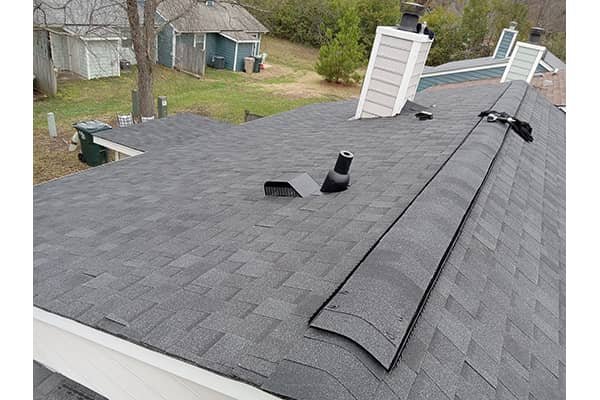
- Provide photos showing existing conditions, like spaced decking or missing drip edge.
- Keep every request and response in writing.
If code items are left off your estimate, a documented roofing supplement is often the way to raise them.
Final Thought: If You Paid for Code Coverage, Code Compliance Matters
It’s your coverage. If your policy includes ordinance or law coverage and an item is truly required by adopted code, push for it with clear documentation. And if your policy doesn’t include it, you’ll want to know now, not after a storm.
Frequently Asked Questions
What is ordinance or law coverage?
It’s coverage that helps pay the additional cost of meeting current building codes when repairing or rebuilding covered damage, up to the policy limit.
Does insurance pay for drip edge on a roof replacement?
It may, if drip edge is required by your locally adopted code and your policy includes ordinance or law coverage, or if existing drip edge was damaged.
Does my policy include code upgrade coverage?
Check your declarations page for “ordinance or law” and its limit, and ask your agent to confirm in writing.
What if my policy doesn’t include ordinance or law coverage?
Then you may be responsible for code-required items yourself. Ask your agent about adding it at renewal.
Want to Know What Code Requires on Your Roof?
Call or text Bold Roofing. We’ll inspect, document existing conditions, and explain which items are code-related.
Texting? Msg & data rates may apply. Reply STOP to opt out.


