
Quick answer: Your insurance agent sells and services your policy, but agents generally don’t handle, investigate or decide claims. Once you file, your claim goes to a separate claims department. Agents can also lower your premium by reducing coverage, such as switching your roof to actual cash value, raising your wind and hail deductible, or removing code upgrade coverage. Report claims directly to the claims department, and review coverage changes in writing before you accept a cheaper quote.
Most people think of their local agent as their advocate. They’re friendly, they’re local, and they probably sent you a holiday card. So when a storm hits, it feels natural to call them first. But that same agent may have very little power over your claim.
As a former State Farm agent myself, I can tell you how this works from the inside.
What Is an Insurance Agent’s Job?
An agent’s role is to sell policies, collect premiums, service your account, and keep your business year after year. Their role is not to manage claims, interpret coverage on a claim, advocate for payouts, or challenge adjusters. In most companies, the moment you file, your claim goes to a different department.
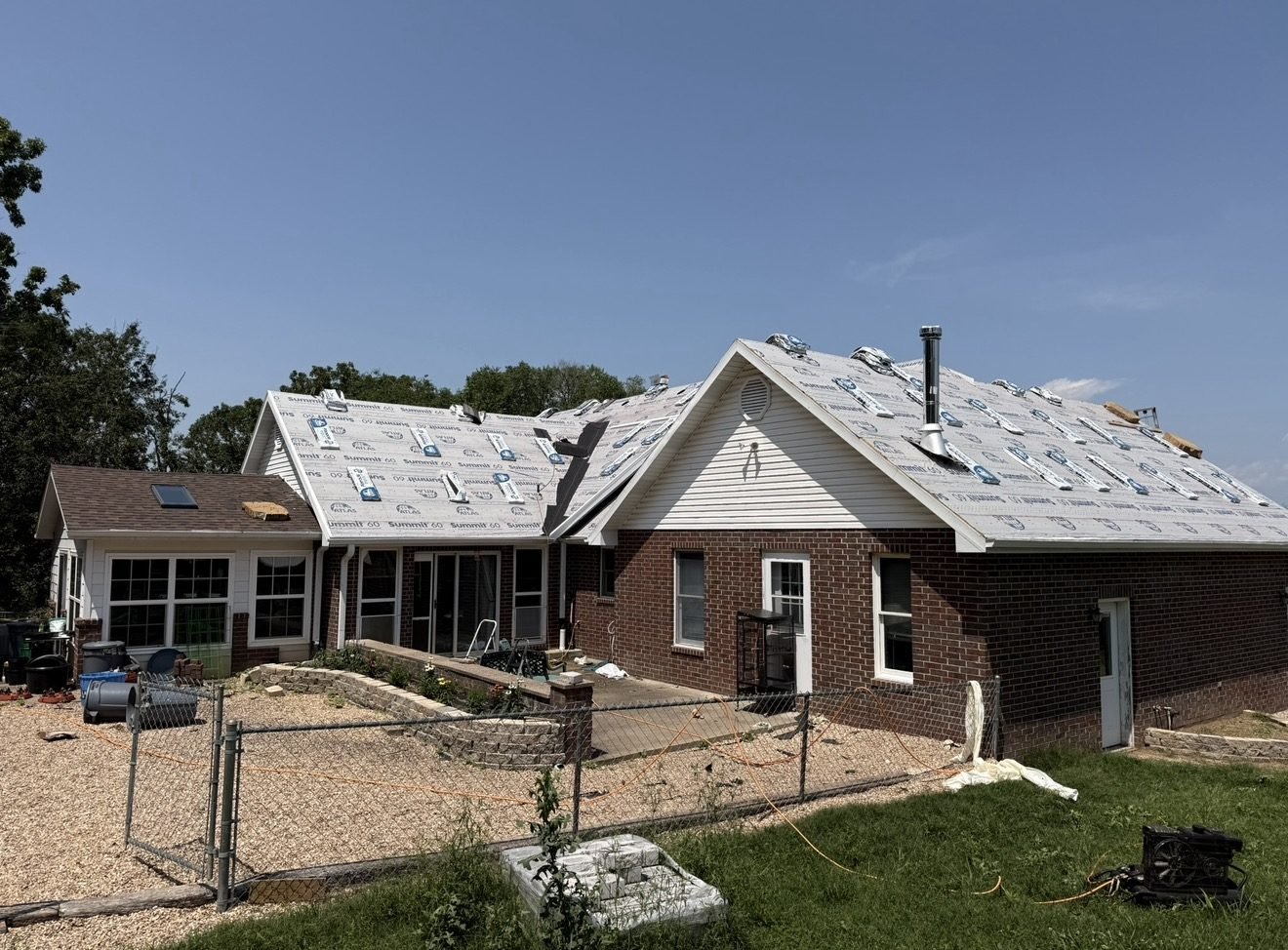
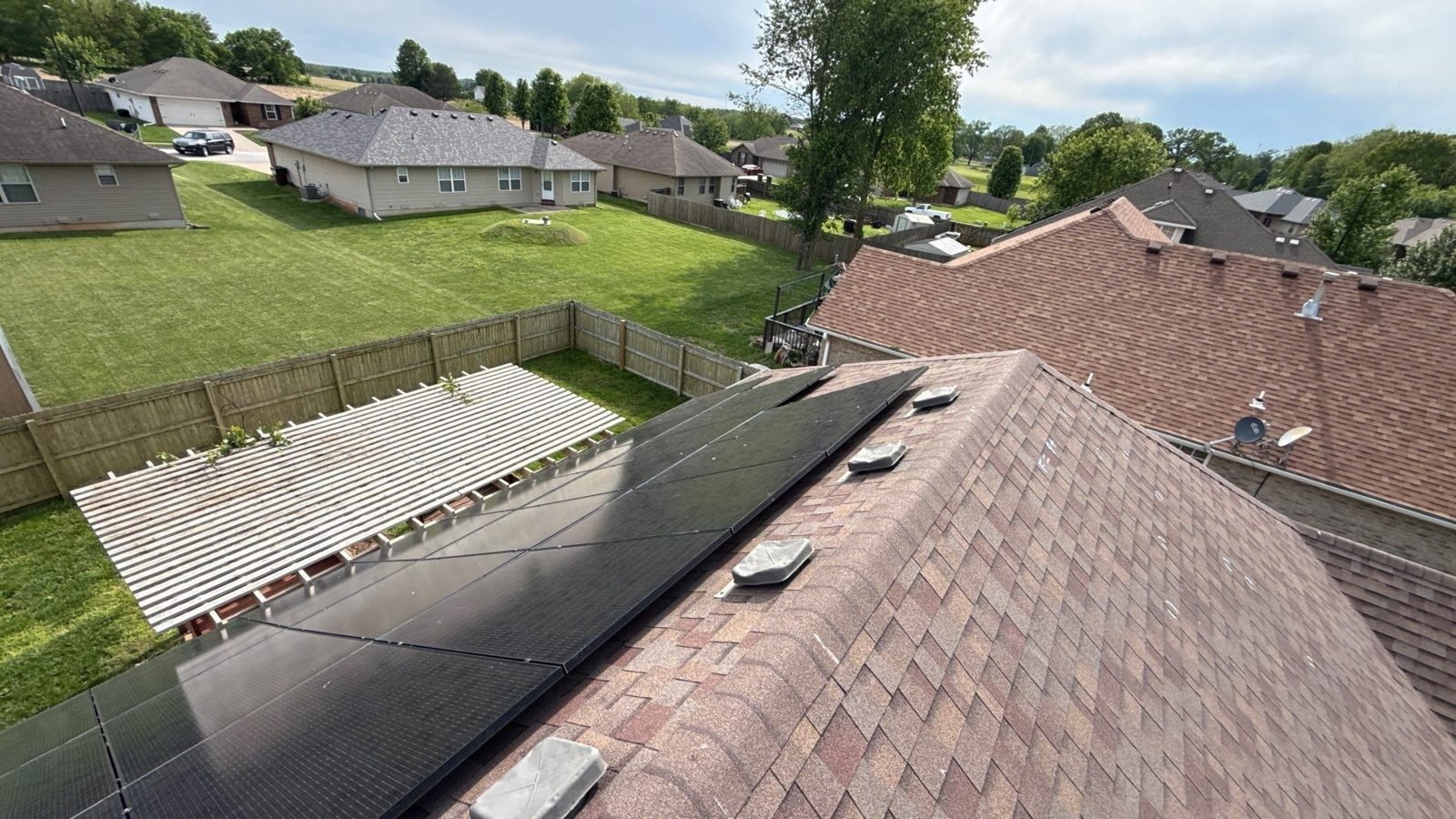
How Can an Agent Unintentionally Hurt Your Claim?
Telling You to “Get Three Bids” First
This delays the claim and shifts work to you. See do you need three estimates for an insurance claim.
Downplaying Coverage
Agents aren’t adjusters, yet some say, “I don’t think that’ll be covered” or “Maybe just pay out of pocket.” Claims affect an agency’s loss ratio, which can affect bonuses and rankings.
Cutting Coverage to Lower Your Premium
When you shop on price, the quote can get cheaper by:
- Raising your deductible or switching to a percentage wind and hail deductible.
- Removing ordinance or law (code upgrade) coverage.
- Switching your roof to actual cash value (ACV).
- Adding a cosmetic damage exclusion.
- Dropping endorsements like water backup or additional living expenses.
“Great news, I got you down to $155 a month” may mean a much smaller payout later. On a $500,000 home, a 2% wind and hail deductible is $10,000 out of pocket.
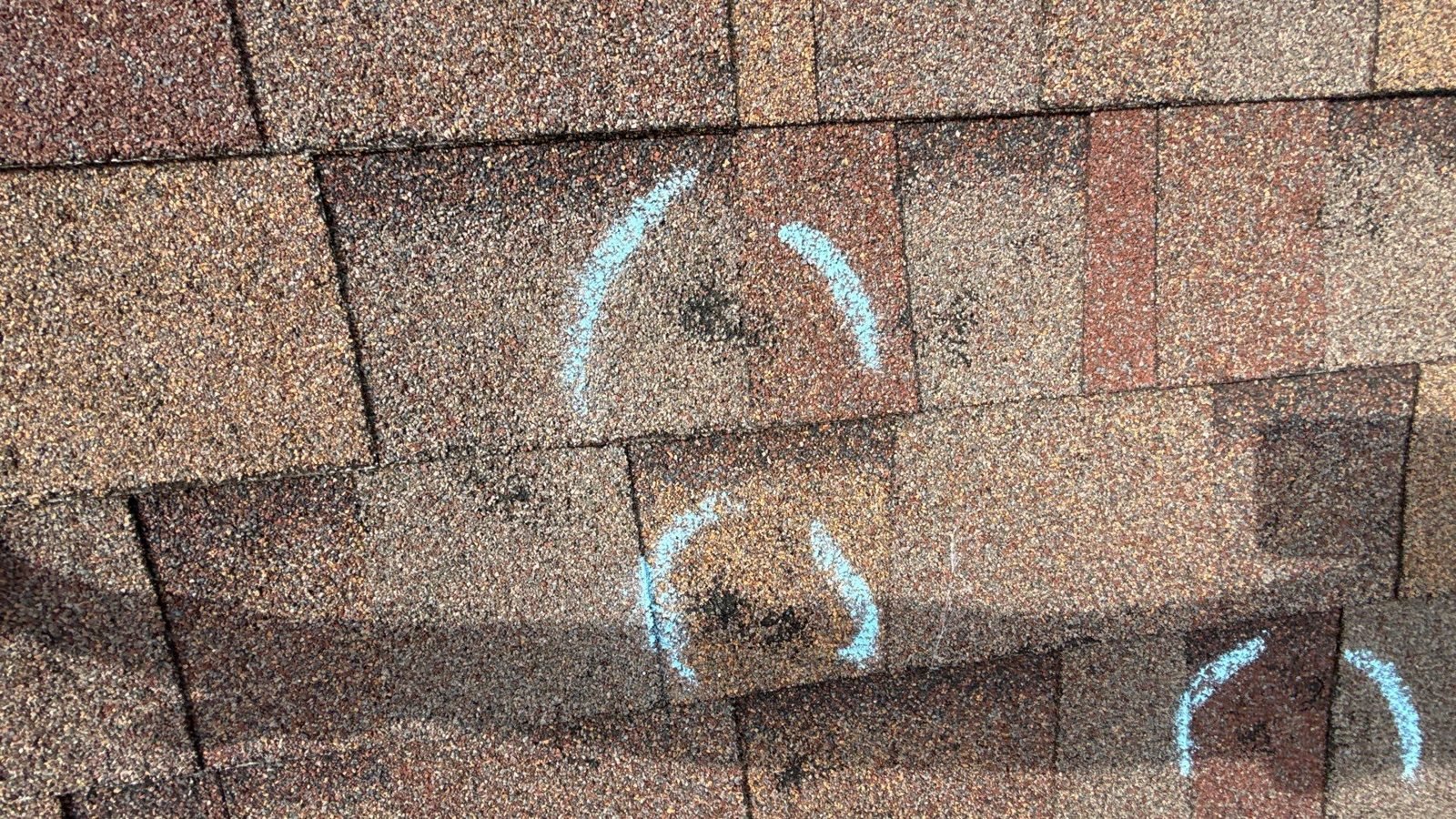
Not Every Agent Is the Problem
Good agents explain your policy clearly, warn you when coverage is reduced, and stay engaged after a claim. But even the best can’t override claim decisions made by the claims department.
What Should You Do?
- File directly with the claims department.
- Read your declarations page yourself. Know your deductible, exclusions and limits.
- Ask what changed when a quote drops. Get a side-by-side comparison in writing.
- Confirm key coverage in writing: replacement cost vs. ACV, deductible type, code coverage, cosmetic exclusions and filing deadlines.
More in policy clauses that can sink a roof claim.
Final Thought: Don’t Mistake the Salesperson for the Decision-Maker
It isn’t personal. It’s how the system is built. Know the rules, read your policy, and lead with documentation.
Frequently Asked Questions
Does my insurance agent handle my roof claim?
Generally, no. Agents sell and service policies. Claims are handled by the insurer’s claims department and adjusters.
Should I call my agent when my roof is damaged?
Report the claim to the claims department. Call your agent first if your home is uninhabitable and you need emergency help.
How do agents lower my premium?
Often by changing coverage: higher or percentage deductibles, ACV roof settlement, removing code coverage or adding exclusions. Ask exactly what changed.
What coverage should I confirm for my roof?
Replacement cost vs. actual cash value, your wind and hail deductible in dollars, ordinance or law coverage, any cosmetic exclusion and your claim deadlines.
Know Your Roof Before You Shop Your Policy
Call or text Bold Roofing for a free inspection and photo report to keep on file.
Texting? Msg & data rates may apply. Reply STOP to opt out.


