Quick answer: The policy clauses that most often shrink roof claims are: actual cash value (ACV) roof settlement, percentage-based wind and hail deductibles, cosmetic damage exclusions, missing ordinance or law (code) coverage, “repair or replace at our discretion” language, and claim filing or repair deadlines. Read your declarations page and endorsements at every renewal, and ask your agent to confirm these items in writing.
If your premiums keep rising while your coverage seems to shrink, you’re not imagining it. Insurers can change terms at renewal, and the changes often sit in endorsements most people never read. One sentence can cost you thousands. Here are the ones to look for.
1. Actual Cash Value (ACV) Roof Settlement
Policy language may say roof surfaces are settled on an actual cash value basis. That means depreciation is subtracted. On a 15-year-old roof, a $15,000 replacement might pay only a few thousand dollars. Some policies apply ACV only to the roof, not the rest of the house.
2. Percentage-Based Wind and Hail Deductibles
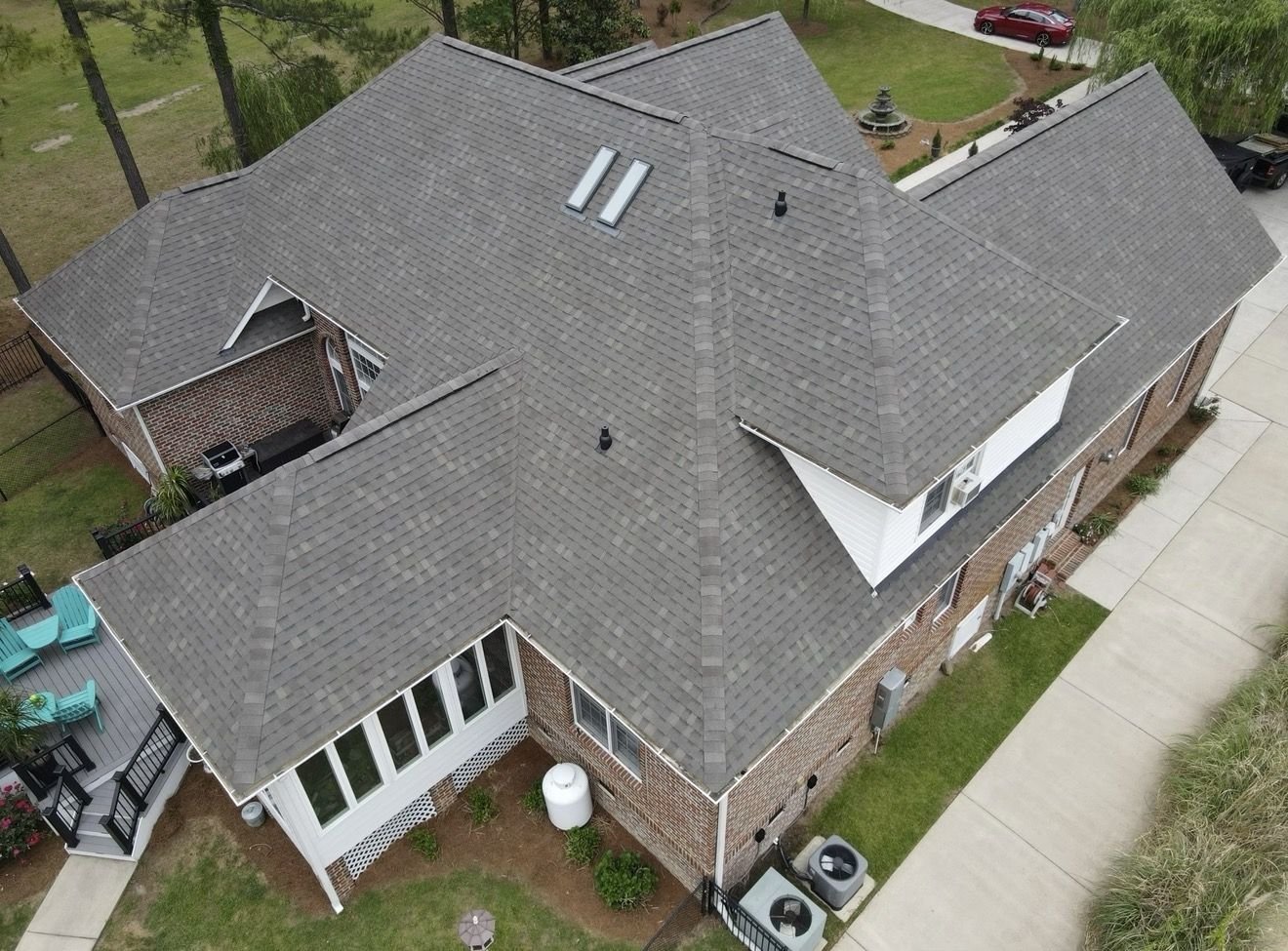
A 1% or 2% wind and hail deductible is based on your dwelling coverage. On a home insured for $450,000, that’s $4,500 at 1% or $9,000 at 2%, and it often applies only to wind and hail claims.
3. Cosmetic Damage Exclusions
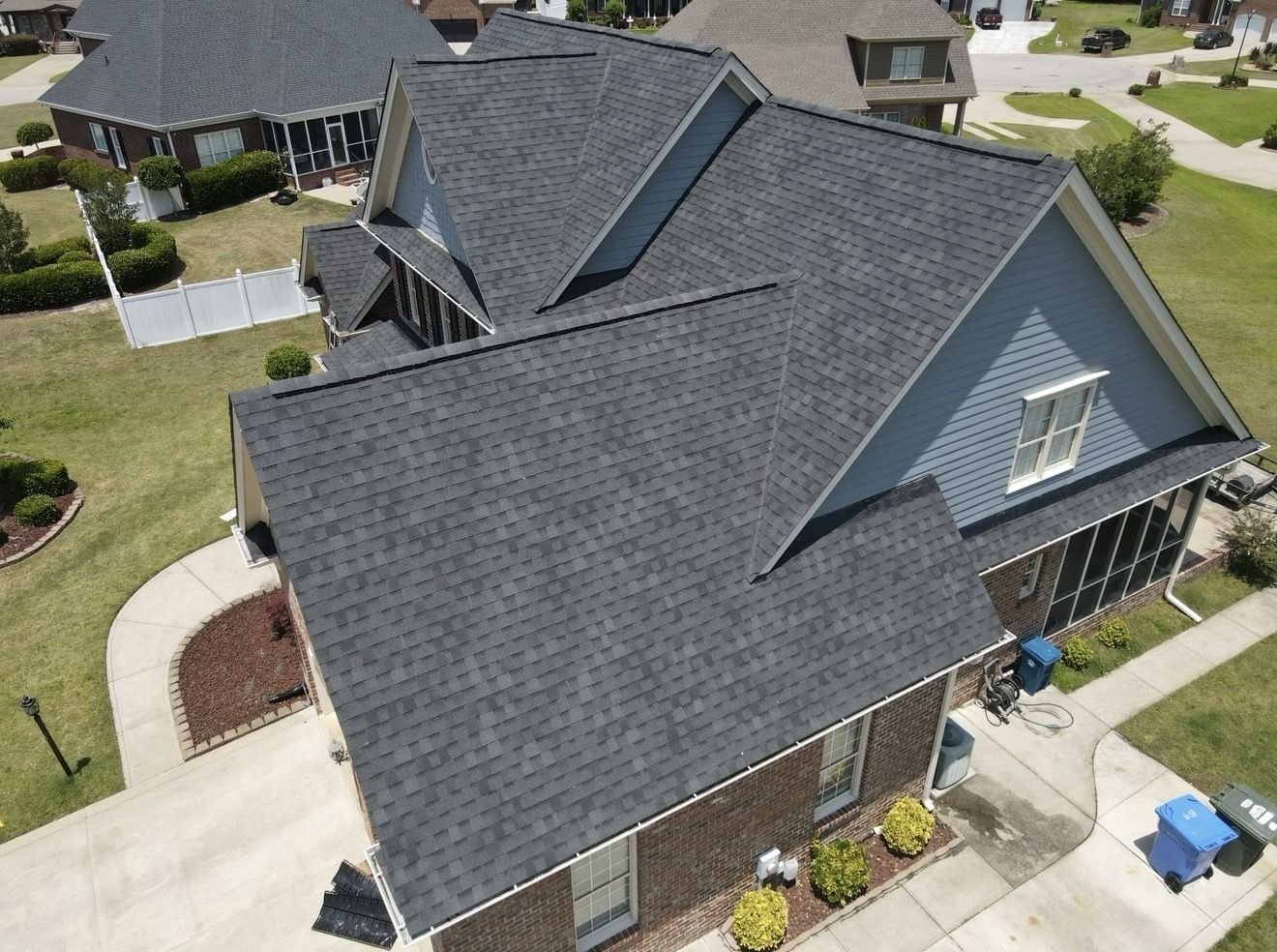
Damage that affects appearance but not function may be excluded, especially dents on metal roofing, vents and gutters. Read cosmetic damage exclusions explained.
4. Missing Ordinance or Law Coverage
Without code upgrade coverage, the insurer may owe only to put back what you had, even if current code requires more. See ordinance or law coverage.
5. “Repair or Replace at Our Discretion”
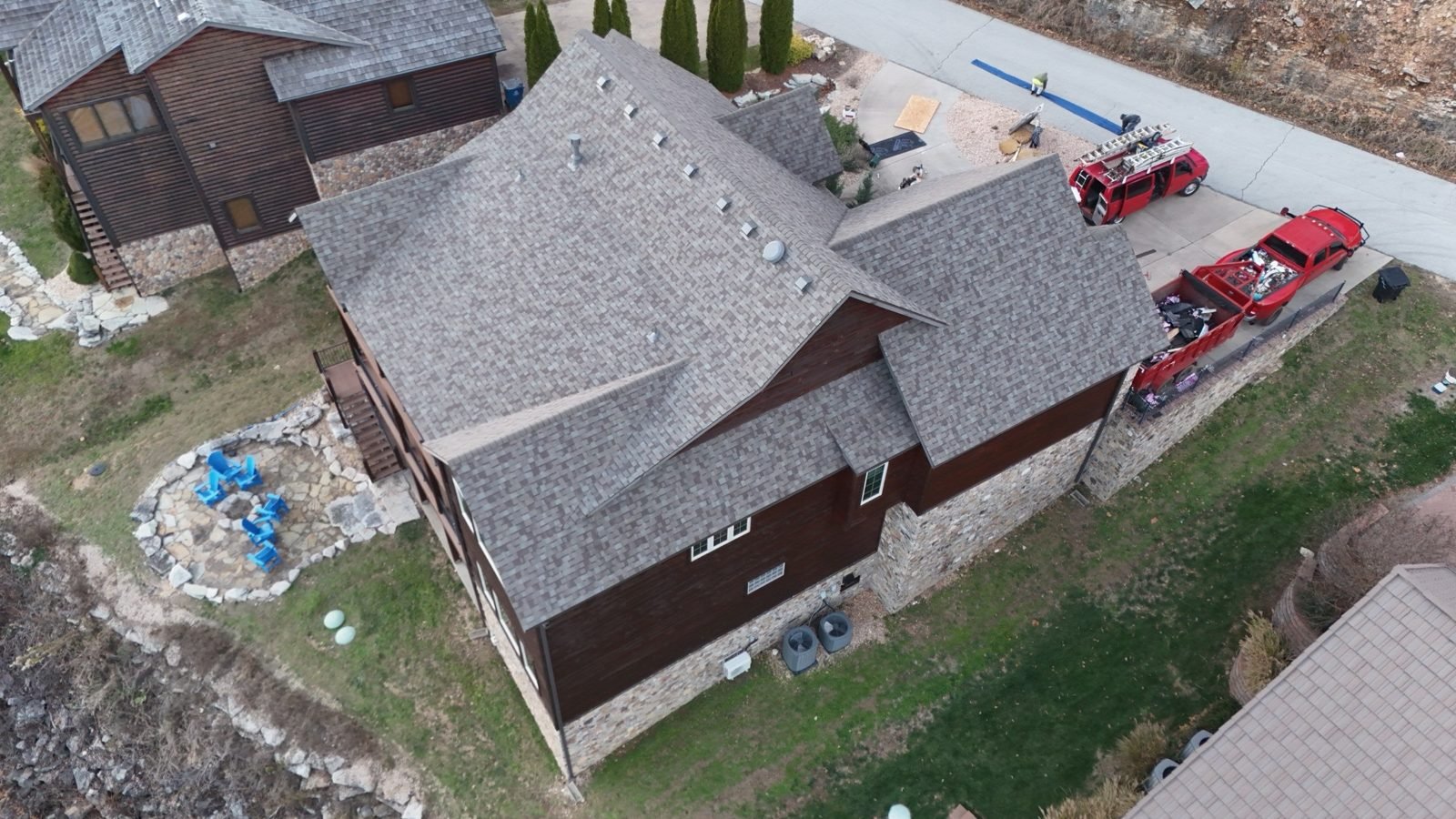
This language may allow the insurer to offer spot repairs or partial replacement rather than a full roof, sometimes leaving mismatched shingles.
6. Filing and Repair Deadlines
Many policies require claims to be reported within a set time after the date of loss, and some require repairs to be completed within a set window to recover depreciation. Material shortages or contractor delays can push you past a deadline if you aren’t tracking it.
7. Surface and Workmanship Conditions
Some policies require visible puncture or breakage for roof surface damage to qualify, and some may limit payment for work done by unlicensed or unqualified contractors.
Why Don’t You Hear About These Changes?
Because most people don’t read renewal paperwork, and changes are often presented as a lower premium. “It’s the same policy I’ve always had” may no longer be true.
What Should You Ask Your Agent?
- Is my roof covered at replacement cost or actual cash value?
- Do I have a percentage wind and hail deductible? What is it in dollars?
- Is cosmetic damage excluded?
- Do I have ordinance or law coverage, and what’s the limit?
- What’s my deadline to report a storm claim and to complete repairs?
Get the answers in writing, and shop coverage, not just price.
Final Thought: Read the Sentence Before the Storm
This isn’t about fear. It’s about being informed. When an adjuster says “this line excludes that,” it’s already too late.
Frequently Asked Questions
What is the difference between RCV and ACV on a roof?
Replacement cost value (RCV) pays to replace the roof, often holding back depreciation until work is done. Actual cash value (ACV) subtracts depreciation, so older roofs receive much less.
How does a percentage wind and hail deductible work?
It’s a percentage of your dwelling coverage. A 2% deductible on a $400,000 dwelling limit is $8,000.
Can my insurer change my roof coverage at renewal?
Insurers can change policy terms at renewal with required notice. Read your renewal documents and endorsements carefully.
How often should I review my homeowners policy?
At least once a year at renewal, and any time you shop or change insurers.
Know Your Roof’s Condition Before Storm Season
Call or text Bold Roofing for a free inspection and photo report you can keep on file.
Texting? Msg & data rates may apply. Reply STOP to opt out.


