
Quick answer: To protect a roof insurance claim: know your coverage before a storm (RCV or ACV, deductible type, code coverage, cosmetic exclusions, deadlines); keep dated photos of your roof on file; get an experienced roofer to inspect and document damage before the adjuster visits; put every communication in writing; follow up on a schedule; calendar your filing and depreciation deadlines; and escalate to a supervisor, the appraisal clause, the Department of Insurance, a public adjuster or an attorney when needed.
Your insurance company’s job is to collect premiums, manage risk and pay what its policy and processes say it owes. The more blindly you trust the process, the more likely you are to come up short. This checklist is about taking back control before, during and after a claim.
Before a Storm: Know and Document
- Review your policy now. Is your roof covered at replacement cost (RCV) or actual cash value (ACV)? Is your wind and hail deductible a flat amount or a percentage? Do you have ordinance or law coverage? Any cosmetic damage exclusion? What’s the deadline to file?
- Get answers in writing. Verbal explanations disappear. Emails don’t.
- Keep a roof file. Dated photos of your roof, past roofing invoices, warranties, and your insurer’s claim contact info.
Not sure what to look for? Read policy clauses that can sink a roof claim.
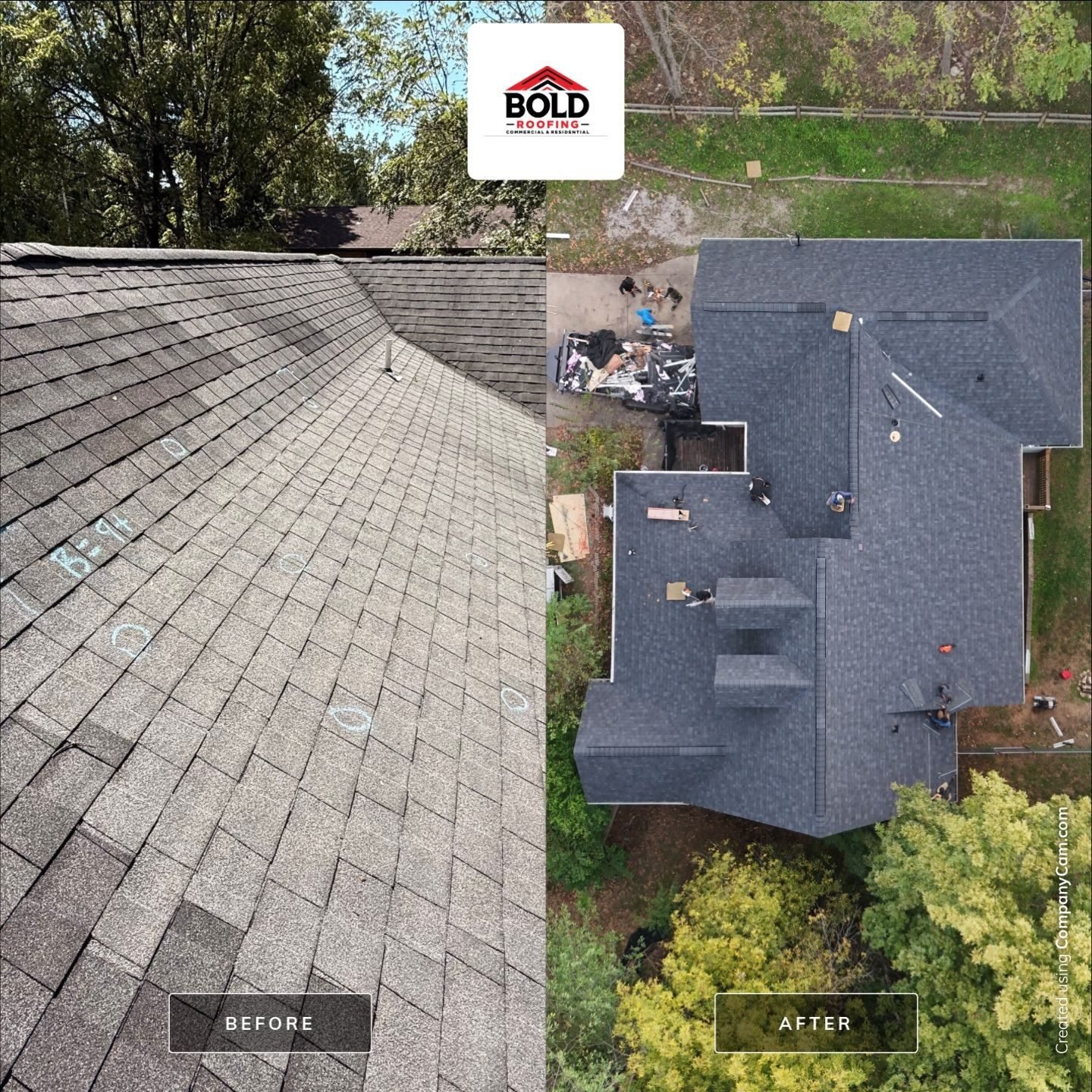
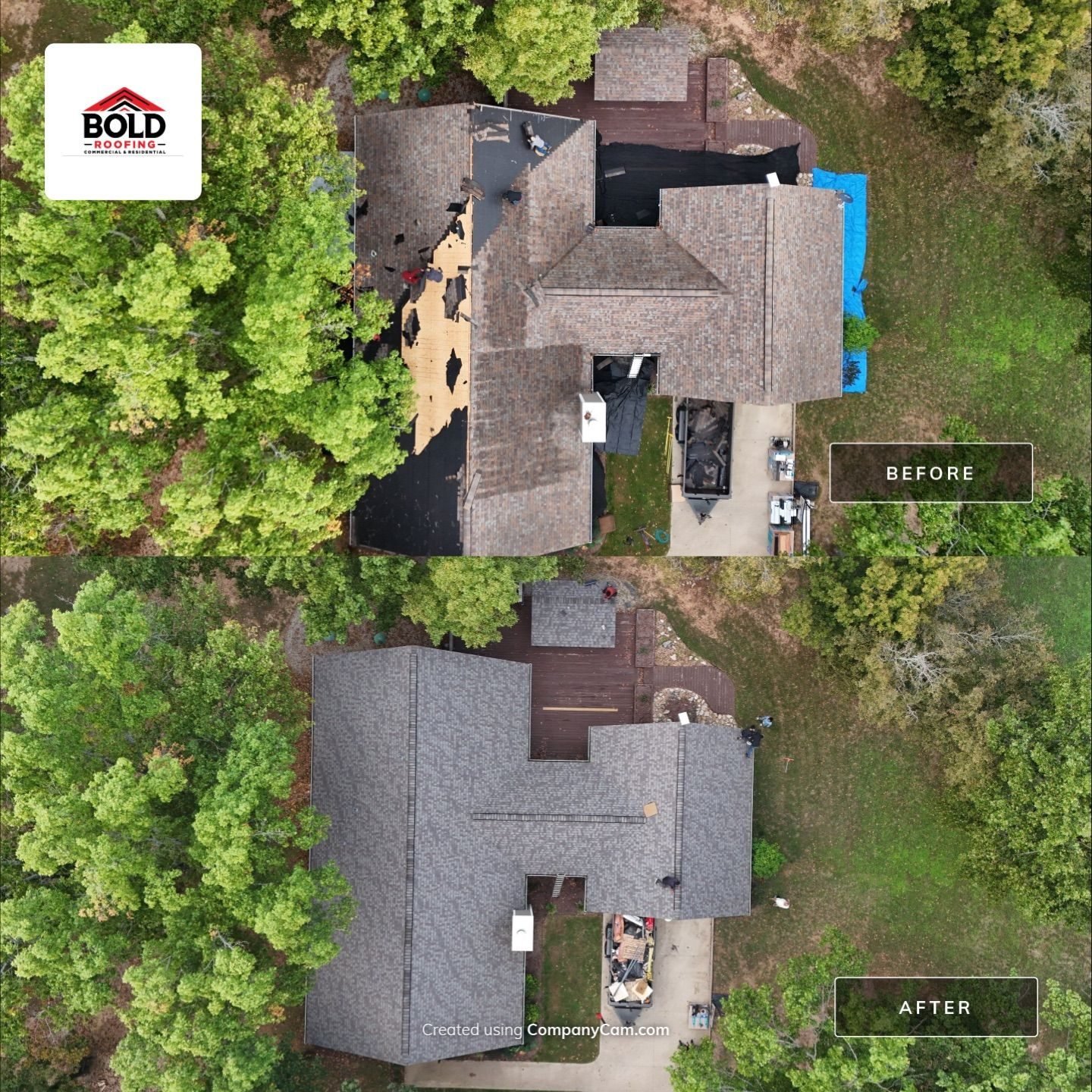
After a Storm: Document Before You File
- Protect the home from further damage, like tarping an active leak, and keep receipts.
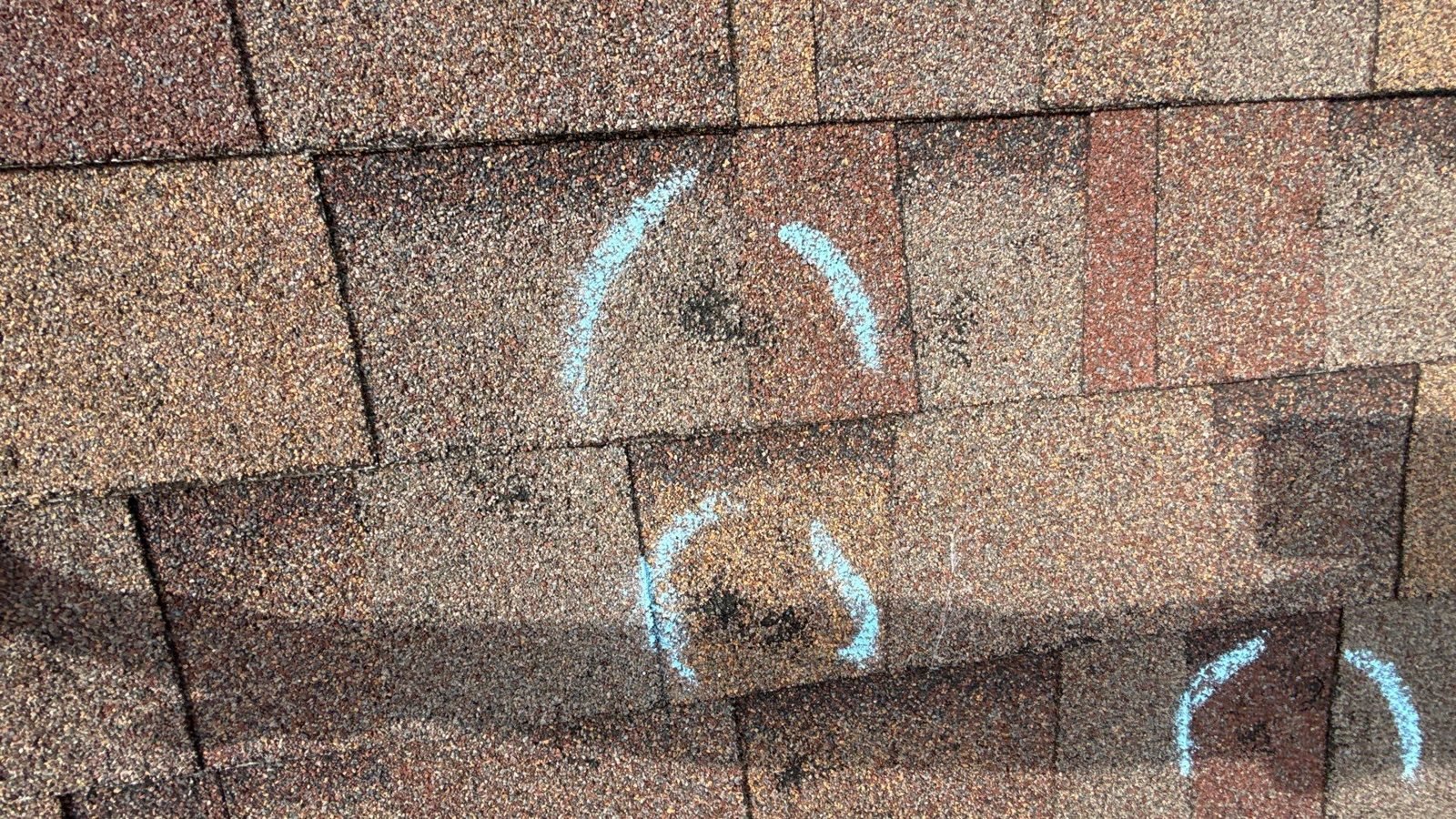
- Have an experienced roofer inspect and photograph the damage and tie it to a storm date.
- File directly with the claims department. See when to file a roof insurance claim.
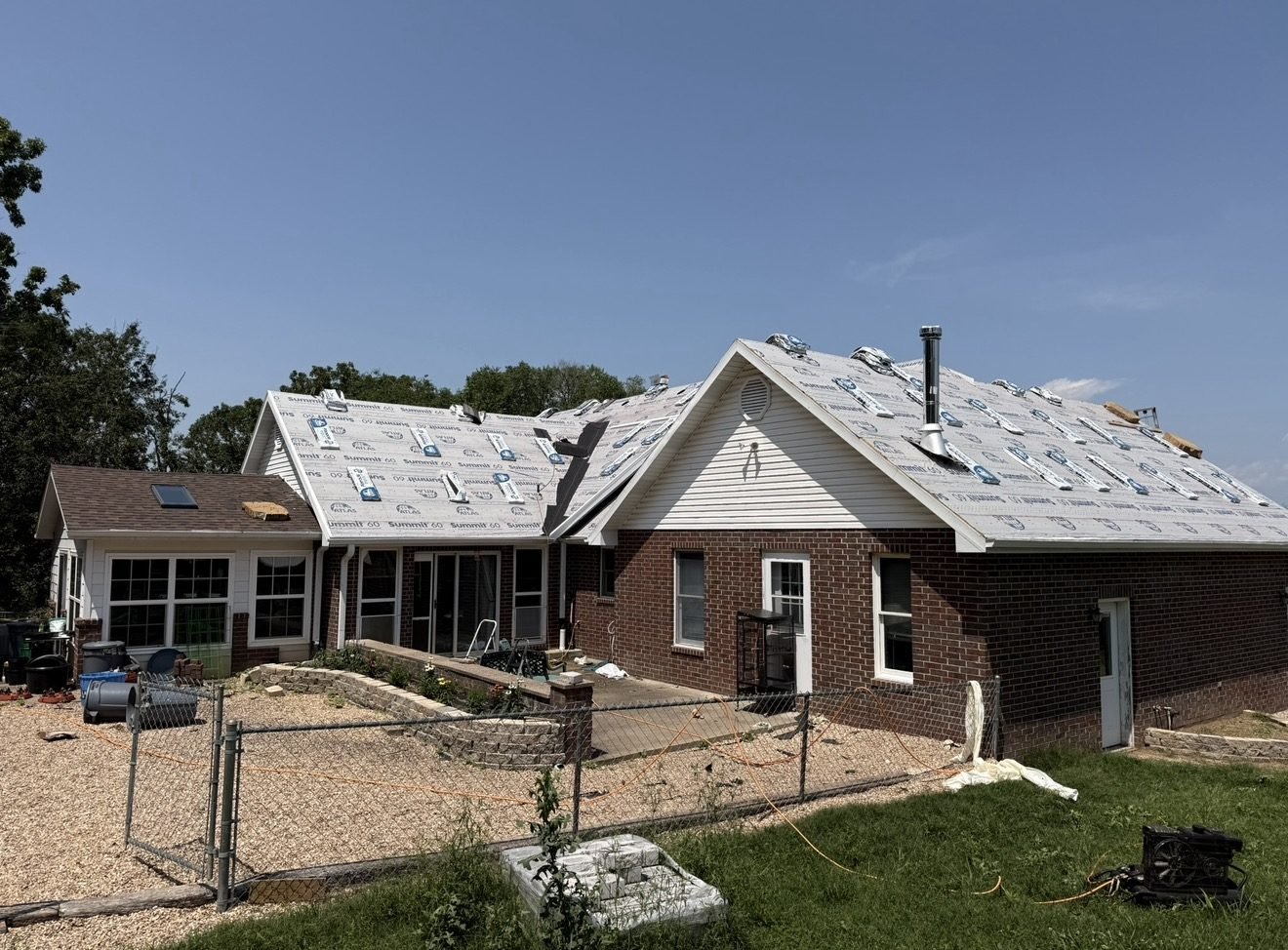
During the Claim: Write It Down
- After every phone call, send an email: “Confirming our call today, you said… Please let me know if I misunderstood.”
- Follow up every few business days.
- Use subject lines like “2nd Request” so ignored messages are obvious.
- Copy your contractor on claim emails so everyone has the same information.
- Calendar every deadline, including the deadline to finish repairs and recover depreciation.
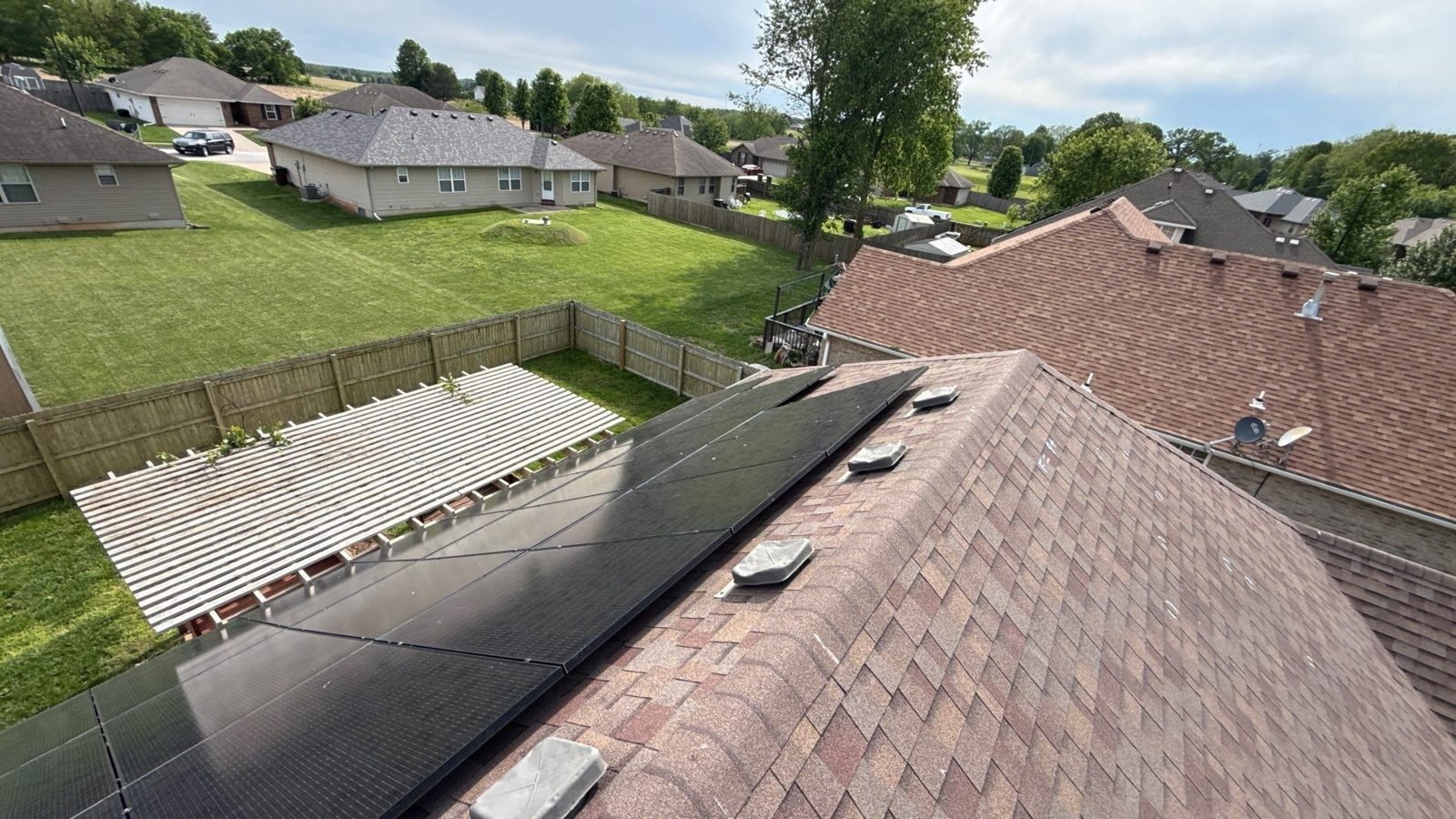
Choose a Contractor Who Works With Insurance, Not Around It
Look for someone who documents thoroughly, can explain depreciation, RCV and ACV, knows how to document missed items, and puts everything in writing. Avoid high-pressure door knockers, anyone promising to “waive your deductible,” and anyone who says to “just file and see what happens.”
When to Bring in Reinforcements
- Supervisor review when your adjuster is unresponsive or the scope is clearly incomplete.
- Appraisal when the disagreement is about price, not coverage.
- Missouri Department of Commerce and Insurance complaint when you’re ignored or treated unfairly.
- Licensed public adjuster for complex or disputed claims.
- Attorney if you suspect bad faith.
Final Thought: Fight Smart
Don’t be polite at your own expense, and don’t assume someone else will make sure you’re taken care of. Ask questions, document everything, and stay organized. That’s how informed homeowners get paid right.
Frequently Asked Questions
What should I do first after hail damages my roof?
Protect the home from further damage, then have an experienced roofer inspect and document the roof before you file.
What documents should I keep for a roof claim?
Dated roof photos, the inspection report, your policy and declarations page, all insurer letters and emails, estimates, invoices and receipts for temporary repairs.
What is the appraisal clause?
A policy provision that lets each side hire an appraiser when the disagreement is over the amount of loss. Read your policy for the specific process.
Can Bold Roofing help with my claim?
We provide free inspections, photo documentation and written estimates you can share with your insurer, and we can attend the inspection. We don’t negotiate or adjust claims.
Start With a Free Inspection
Call or text Bold Roofing. We serve Springfield, Branson and communities across Southwest Missouri.
Texting? Msg & data rates may apply. Reply STOP to opt out.


