
Quick answer: Five questions to ask your insurance adjuster: (1) Is this estimate based on actual construction practices or just software defaults? (2) Can you show me the manufacturer installation guideline behind this decision? (3) Is local building code reflected in the estimate? (4) How was depreciation calculated? (5) What is the process if I disagree? Asking calmly and in writing creates accountability.
Your insurance adjuster might be friendly and even helpful. But they work within a system designed to control payouts, not maximize them. Not all adjusters are dishonest, but there are questions many hope you never ask. The moment you start asking them, the conversation changes.
Remember Who the Adjuster Works For
An adjuster’s job is to assess the damage, write a report, and determine what the insurance company should pay under its rules. They’re not your enemy, but they’re not your advocate either. If you’re unsure what kind of adjuster you have, read the four types of insurance adjusters.
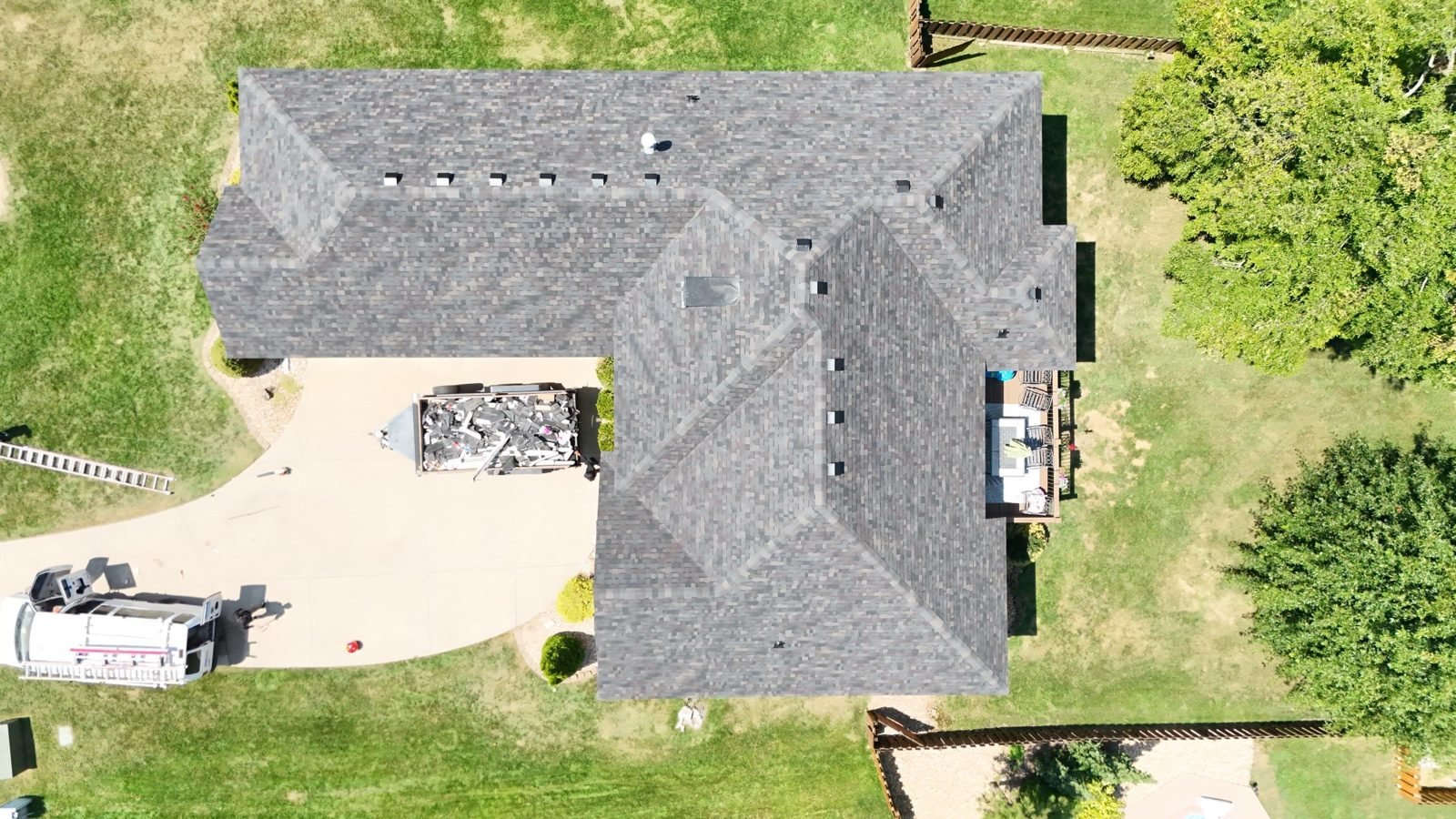
1. “Is This Estimate Based on Real Construction Practices or Just What the Software Allows?”
Most adjusters use estimating programs like Xactimate or Symbility, with carrier-controlled settings. Those settings can leave out common materials or assume ideal conditions: no steep slope, no extra labor, no decking issues. If the answer is “that’s just the system,” ask which line items reflect your actual roof.
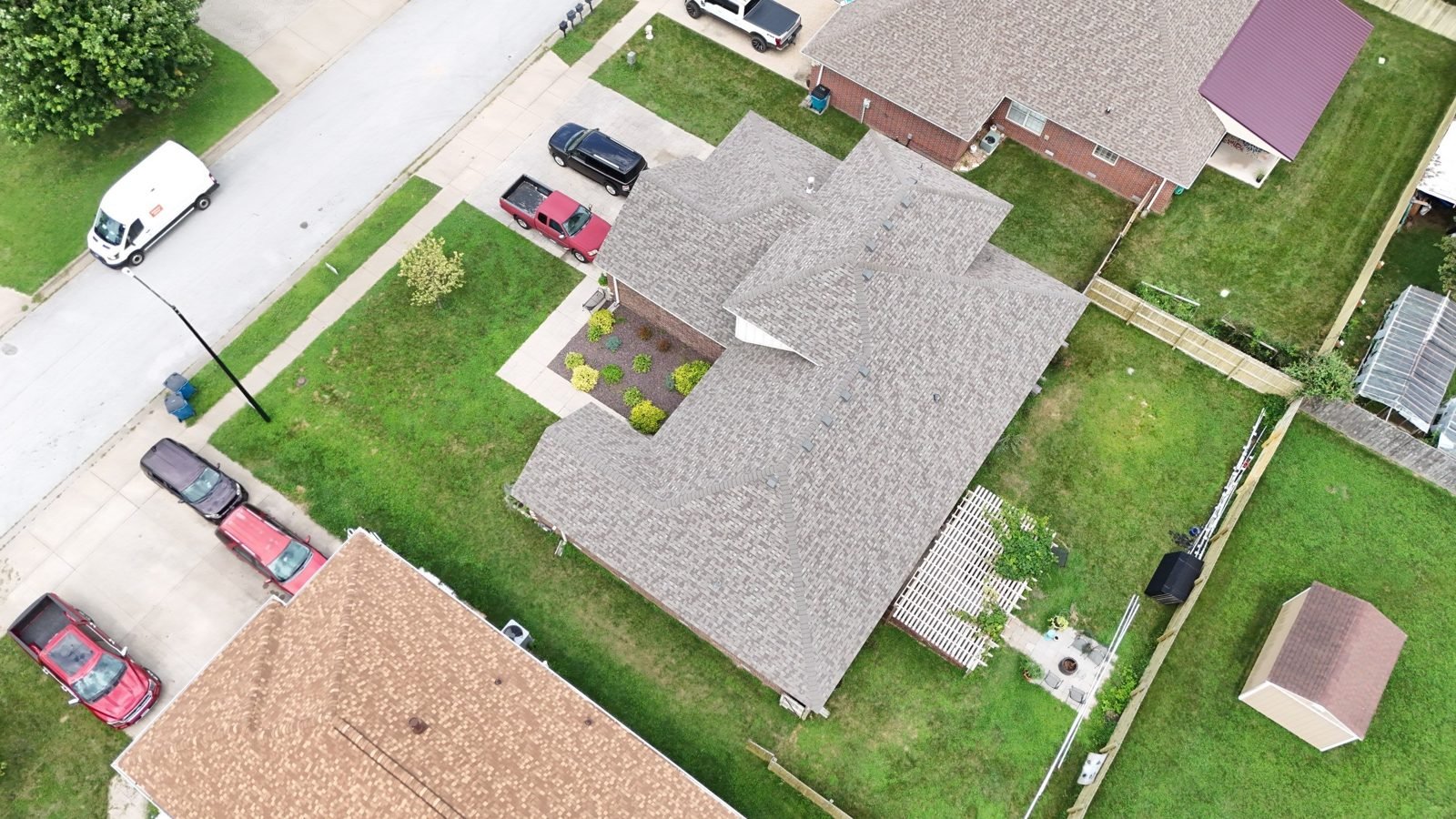
2. “Can You Show Me the Manufacturer Installation Guideline That Supports This?”
Shingle manufacturers publish installation requirements for starter shingles, underlayment, fastening, ridge and hip treatment, and ventilation. If an item required by the manufacturer is denied, ask for the guideline that supports the decision.
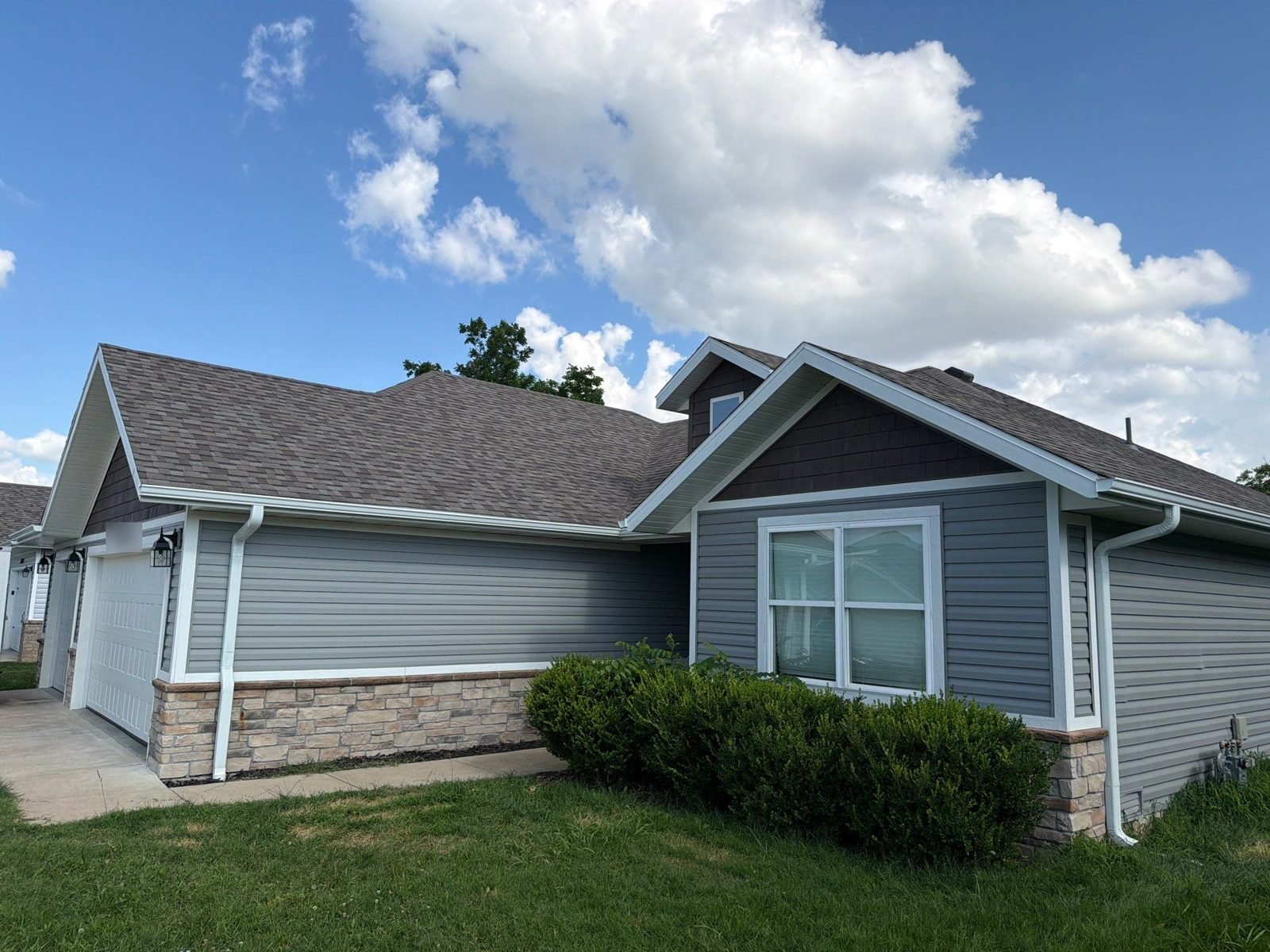
3. “Is Local Building Code Reflected in This Estimate?”
If your policy includes ordinance or law coverage, code-required items like drip edge, ice and water shield and ventilation may be owed. If they’re denied, ask which code applies and why. See ordinance or law coverage explained.
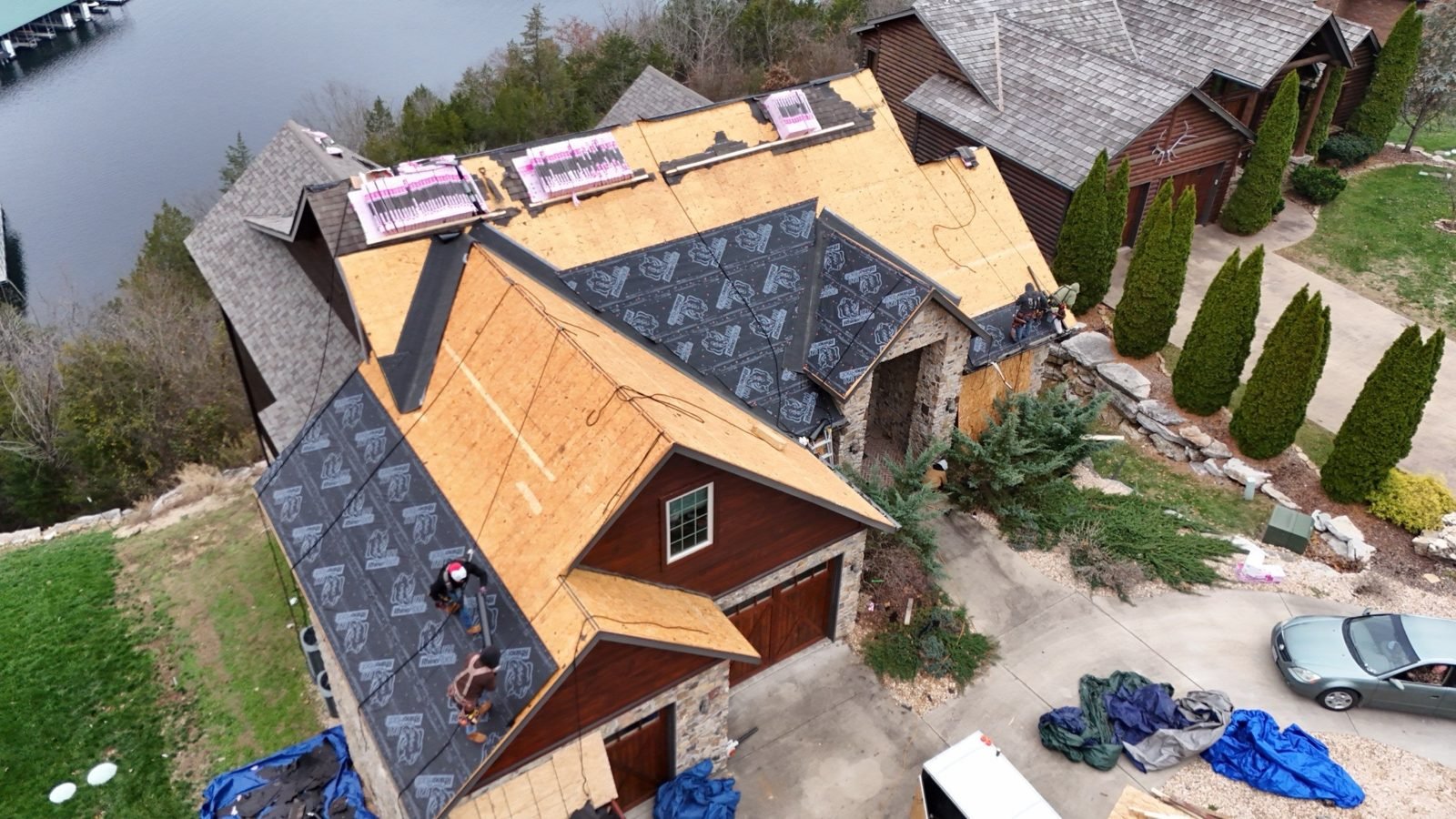
4. “How Was Depreciation Calculated?”
Depreciation is a judgment based on age, condition, life expectancy and materials. It can be aggressive, sometimes 60% or more on a roof that still looks solid. Ask what lifespan they used and whether it reflects your roof’s actual condition.
5. “What’s the Process if I Disagree?”
Ask about reinspection, supervisor review, desk review, your policy’s appraisal clause, and how to contact the Missouri Department of Commerce and Insurance. Asking doesn’t make you difficult. It shows you understand the process.
How to Ask Without Making It a Fight
- Stay calm and polite.
- Follow up every phone call with a short email summarizing what was said.
- Keep copies of every estimate, photo and letter.
- Have your roofer document the roof before the inspection so you know what to point out.
Final Thought: Your Adjuster Isn’t Always Wrong, But Rarely Neutral
This isn’t about confrontation. It’s about clarity. You’re the policyholder paying the premiums, and these questions help make sure your roof is evaluated accurately.
Frequently Asked Questions
What should I ask my insurance adjuster about my roof?
Ask how the estimate reflects real construction practices, whether manufacturer requirements and local code are included, how depreciation was calculated, and how to dispute the decision.
Can I have my roofer at the adjuster inspection?
Usually, yes. Many homeowners have their roofer present to point out documented damage. Bold Roofing can be there if you’d like.
What is recoverable depreciation?
On many replacement cost policies, the insurer holds back depreciation until the work is completed, then releases it. Check your policy’s terms and deadlines.
What if I disagree with my adjuster’s estimate?
Ask for a reinspection or supervisor review, review your policy’s appraisal clause, and keep your communication in writing.
Want Your Roof Documented First?
Call or text Bold Roofing for a free inspection with photos before your adjuster visit.
Texting? Msg & data rates may apply. Reply STOP to opt out.


